
Tradition and Innovation at Gitana Winery
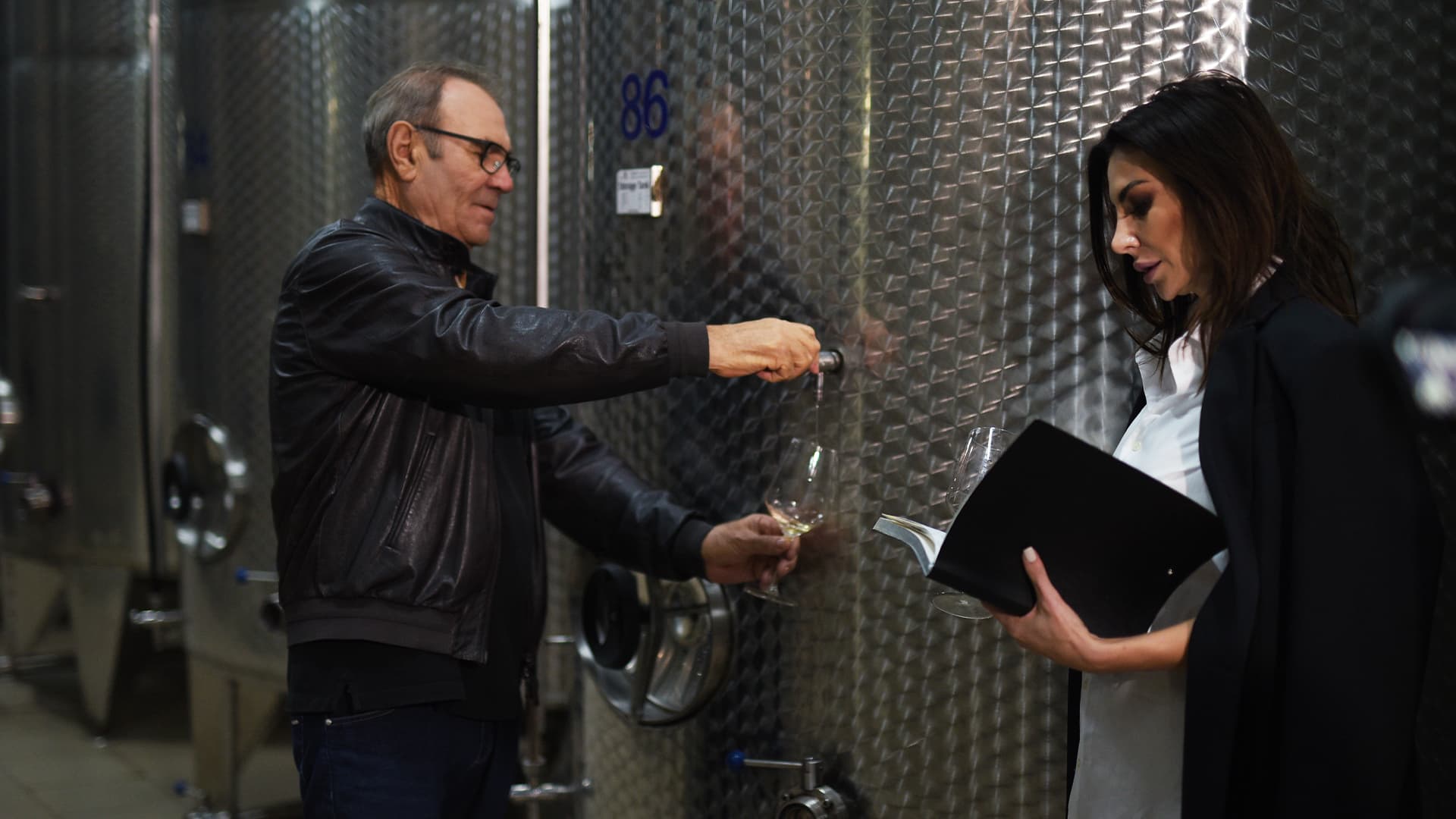
Gitana Winery combines viticultural heritage with contemporary technology. At the heart of the estate lie the historic cellars built in 1953, where wines benefit from ideal natural maturation conditions: a constant temperature of 12°C and approximately 89% humidity, maintained throughout the year. This natural microclimate provides optimal conditions for a slow and balanced evolution of the wine.
Around this heritage, a modern winery has been developed, equipped with high-performance production and bottling lines, as well as an extensive network of food-grade stainless-steel pipelines. These enable the fast and safe transfer of wine between technological stages, reducing oxygen exposure and preserving aromatic freshness.
Manual Harvest
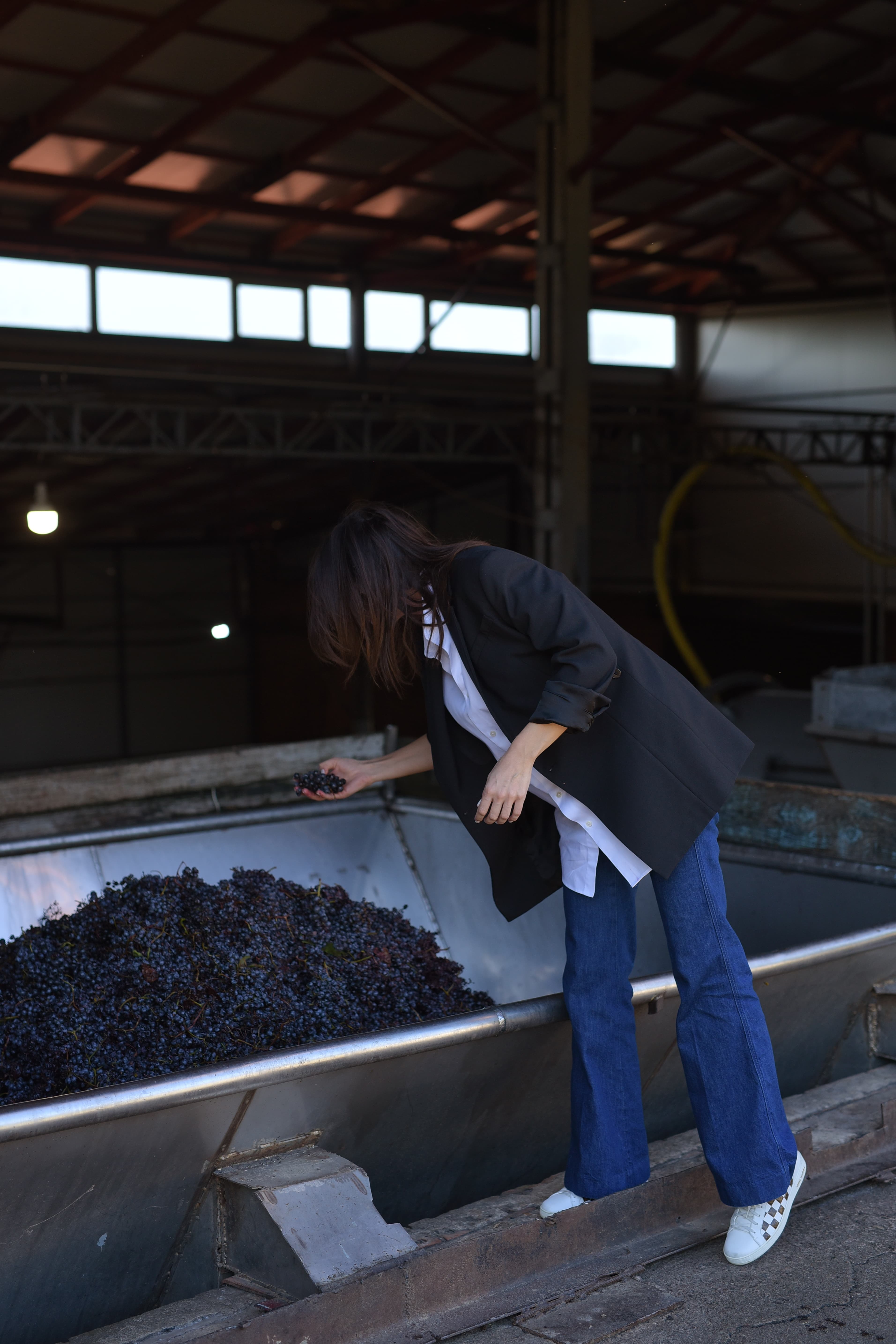
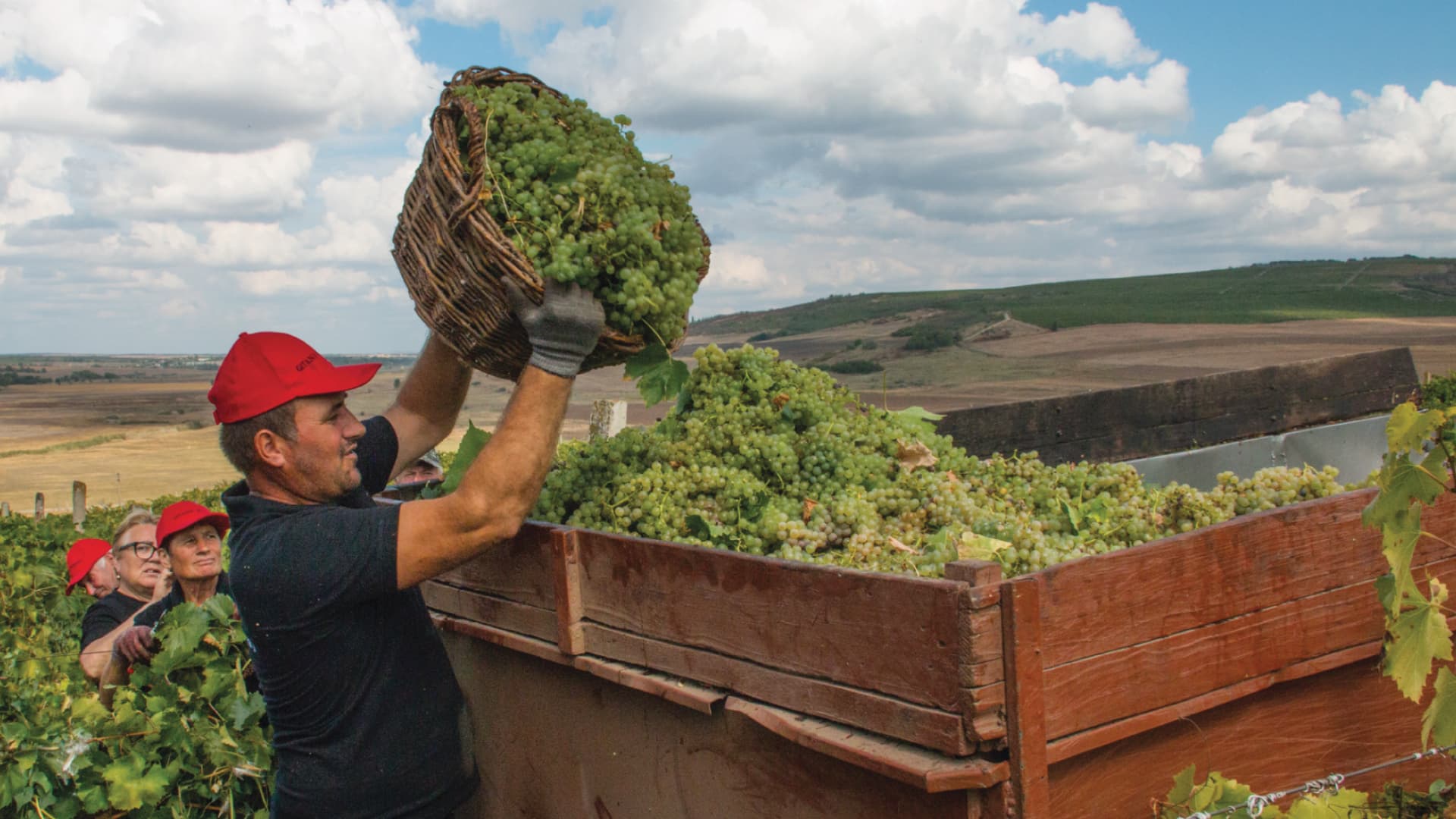
All grapes are harvested by hand by local teams, for whom viticulture is a tradition passed down through generations. Harvest takes place over several months, with each parcel picked according to its stage of ripeness. The grapes are then manually sorted to preserve the quality of the fruit before entering the winery.
Maceration and Fermentation of Red Grapes in Oak Vats
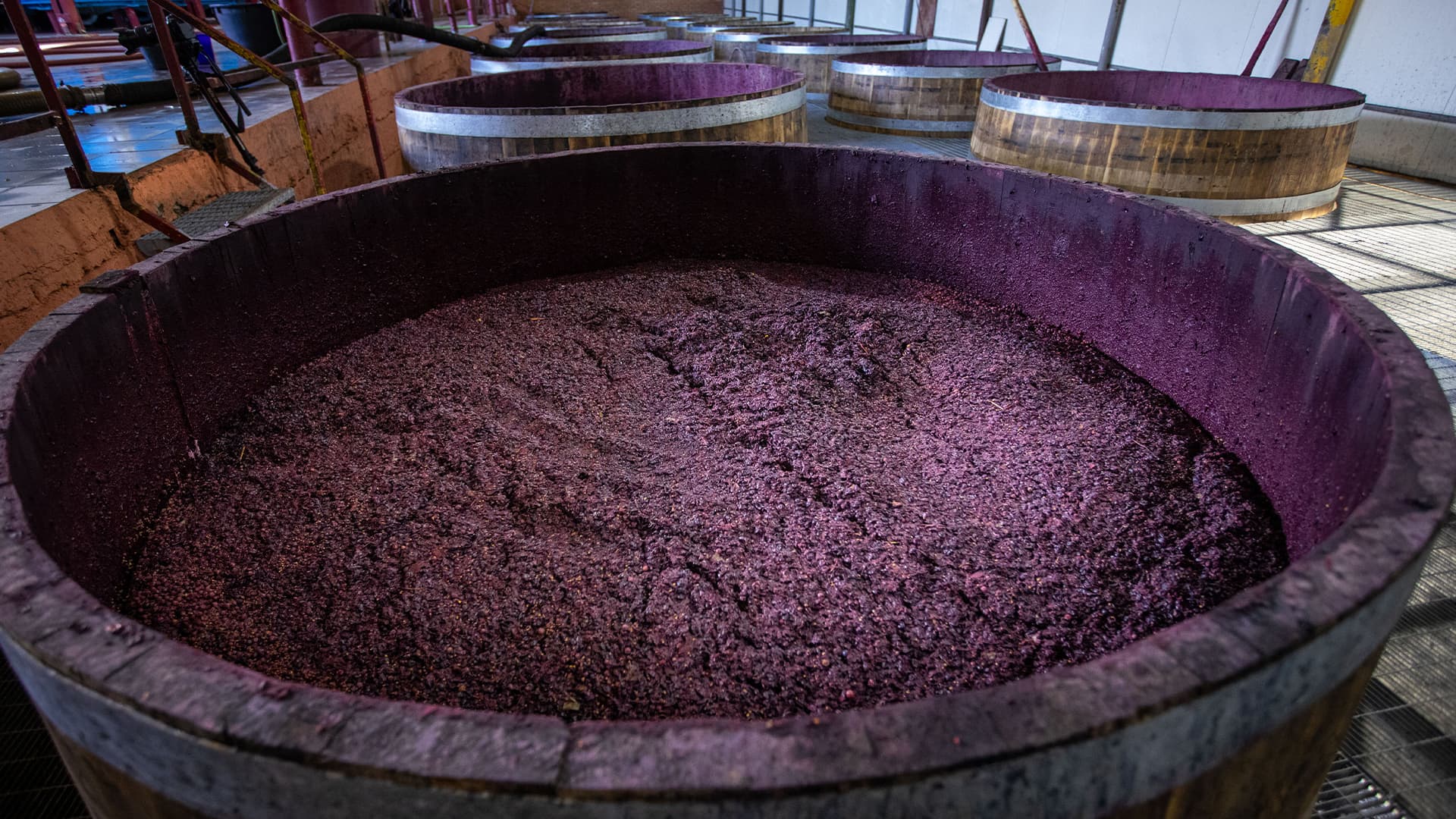
Red grapes ferment on their skins in 150-hectolitre oak vats crafted from oak sourced in Slovenia and other parts of Eastern Europe. Maceration and fermentation last around two weeks, allowing the gradual extraction of colour, tannins and aromatic compounds. The oak also enables gentle oxygen exchange and helps maintain stable temperatures during fermentation, supporting the gradual development of the wine.
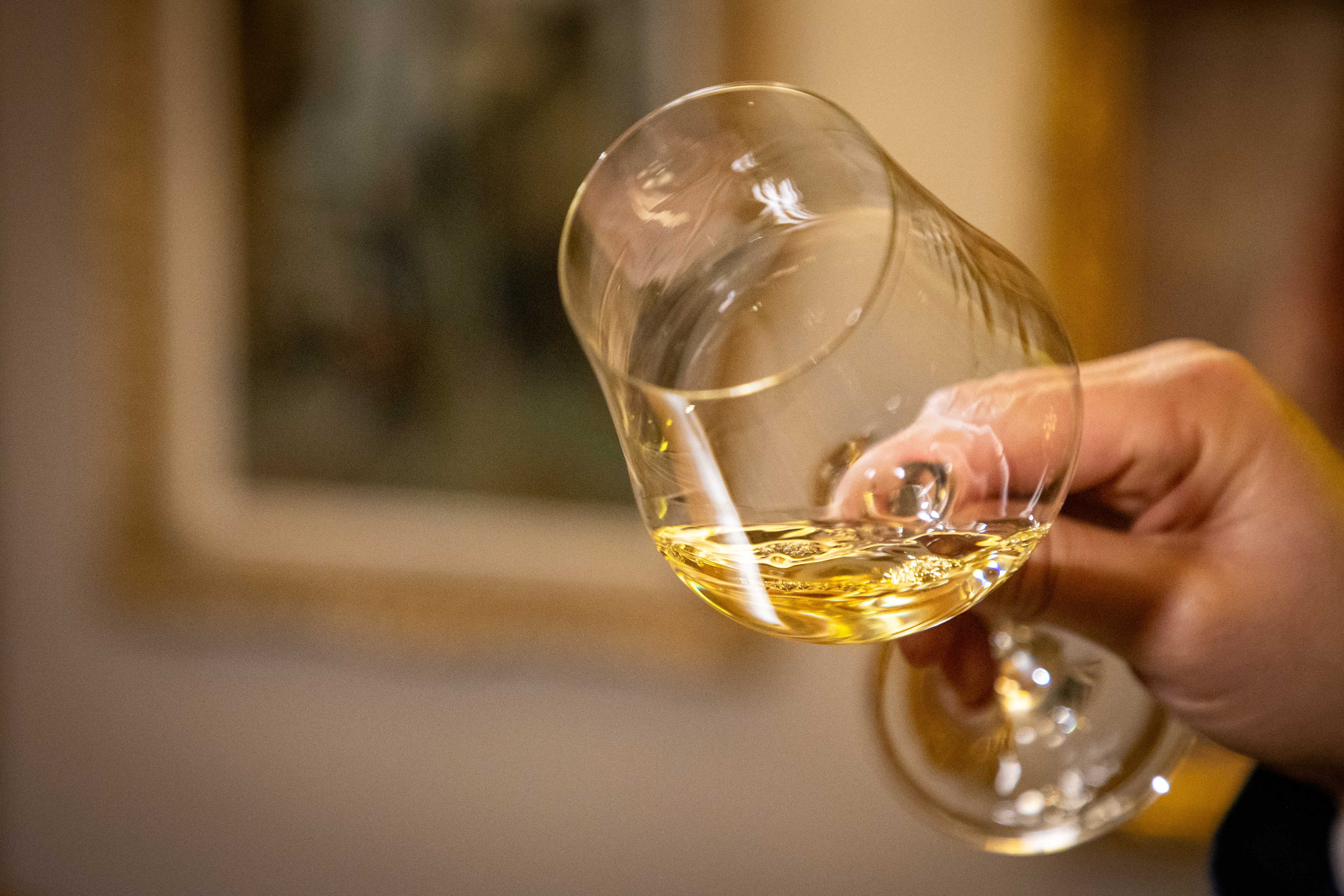
White Wine Extraction and Fermentation Process
After destemming and crushing, the grapes undergo cryomaceration at 5–8°C for 10 to 24 hours. This process enhances the extraction of aromatic compounds from the skins while preserving freshness and varietal expression. After the separation of the solid parts, the clarified must undergoes alcoholic fermentation at carefully controlled temperatures. Depending on the style of the wine, maturation then continues for approximately four months in stainless steel tanks.
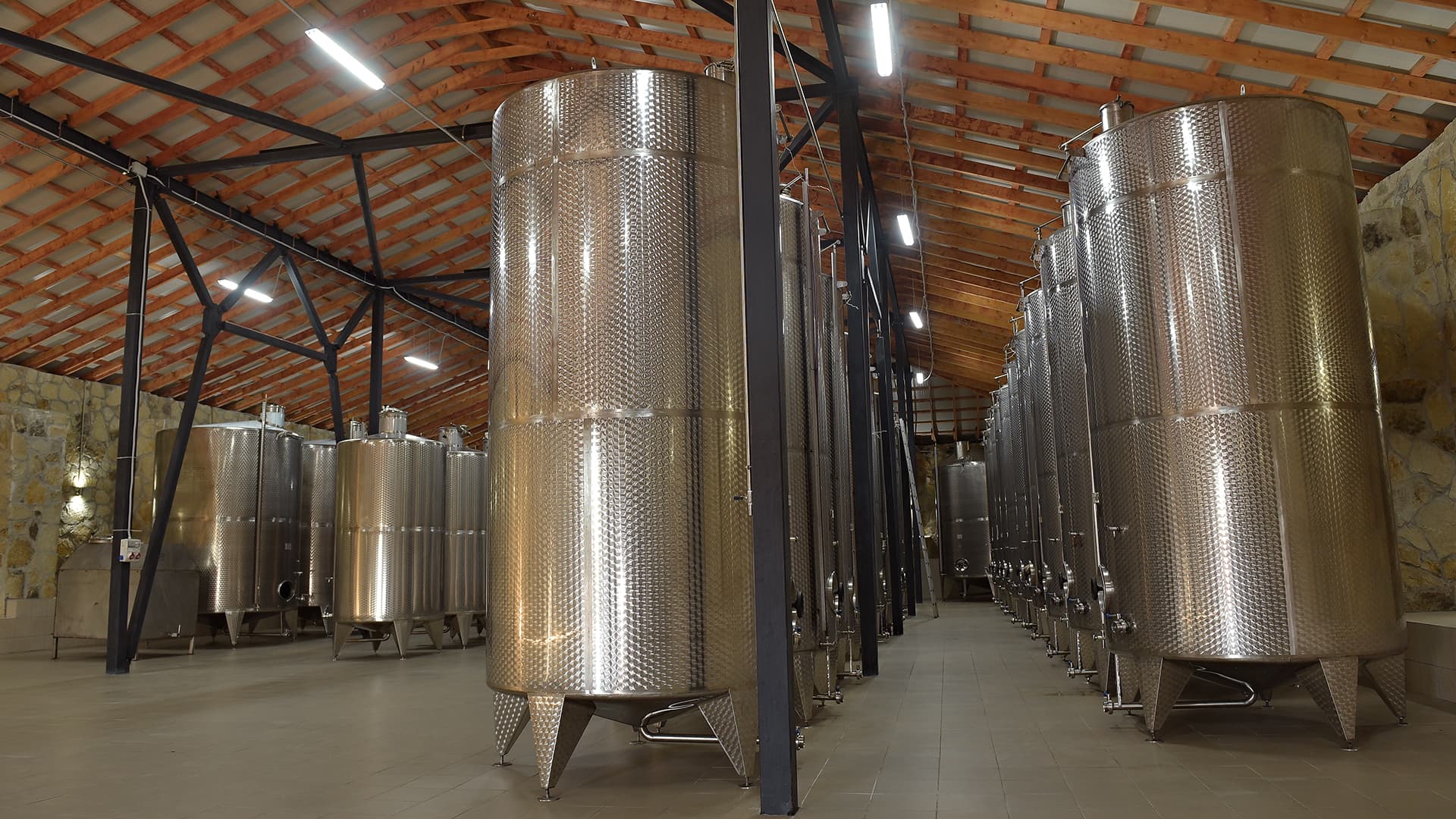
Maturation in Stainless Steel Tanks
Wines intended to preserve freshness and varietal expression mature in stainless steel tanks. Selected white wines also undergo bâtonnage, during which the fine lees are periodically stirred to develop texture and complexity while maintaining the purity of the fruit. This approach is characteristic of the Portret range and selected wines from the Autograf collection.
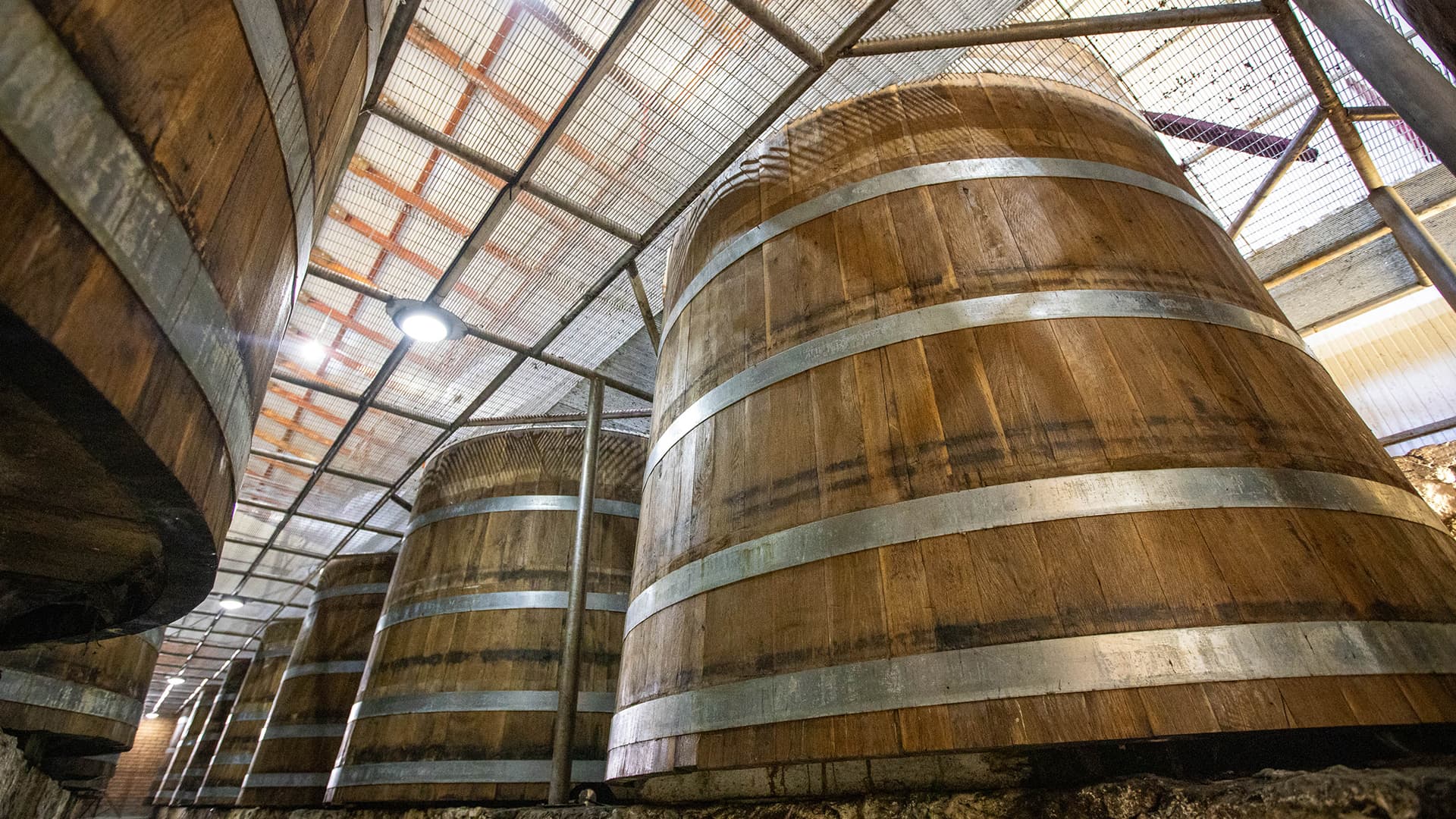
Maturation in Large Oak Vats
Large oak vats with capacities of up to 6,500 and 10,000 litres allow gradual micro-oxygenation while limiting the influence of oak on the wine's aromatic profile. Malolactic fermentation takes place naturally in these vats, followed by extended maturation for selected wines. This method is used primarily for the Rezerva range, where ageing may continue for nearly two years, as well as for selected white and red wines.
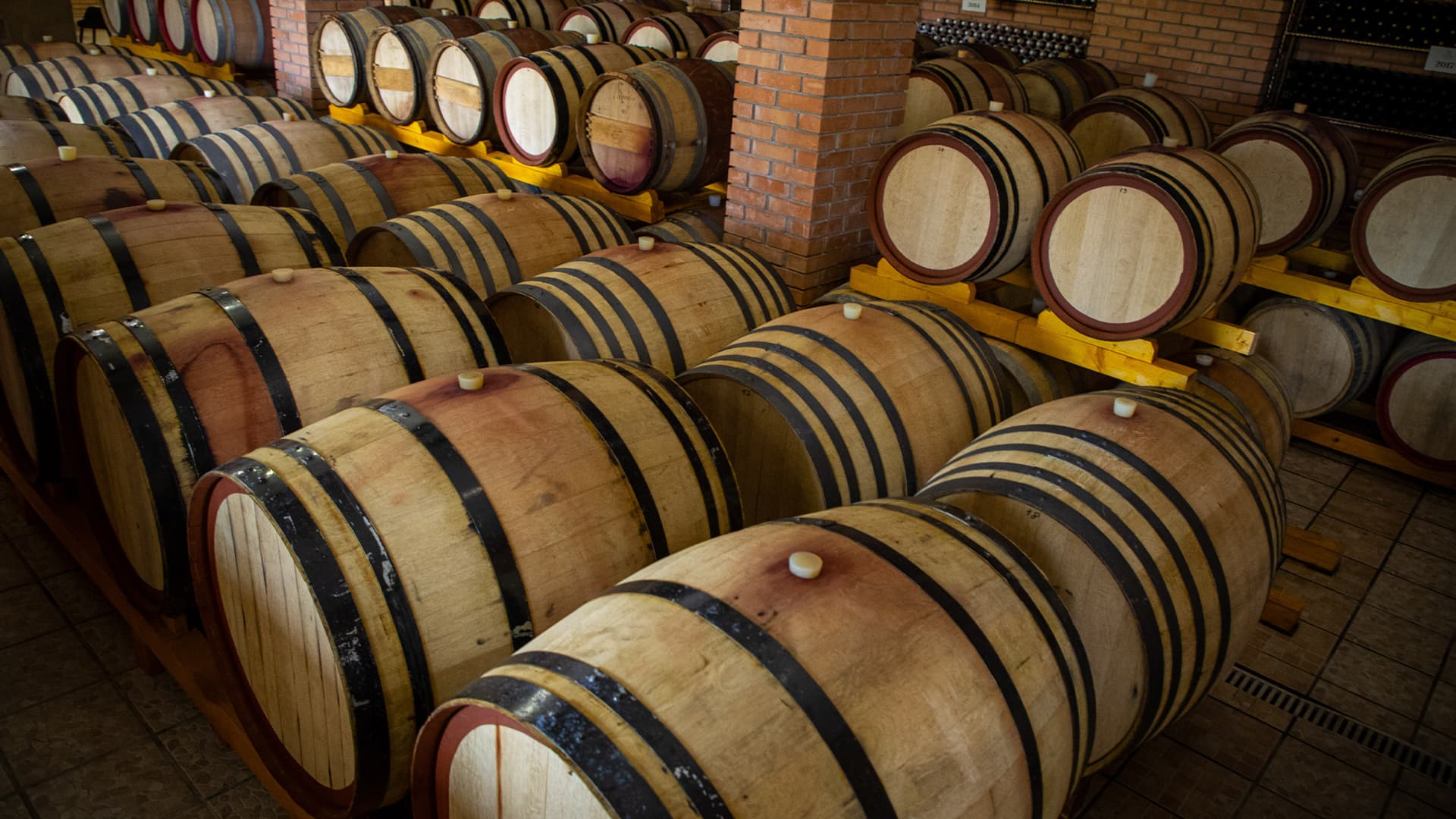
Maturation in Barriques and Tonneaux
Some wines continue their maturation in 225-litre barriques or 500-litre tonneaux made from French or American oak. The size of these vessels increases the interaction between wine and wood, contributing structure and complexity while allowing the character of each variety and vintage to remain at the forefront. For selected wines, this stage follows maturation in large oak vats.
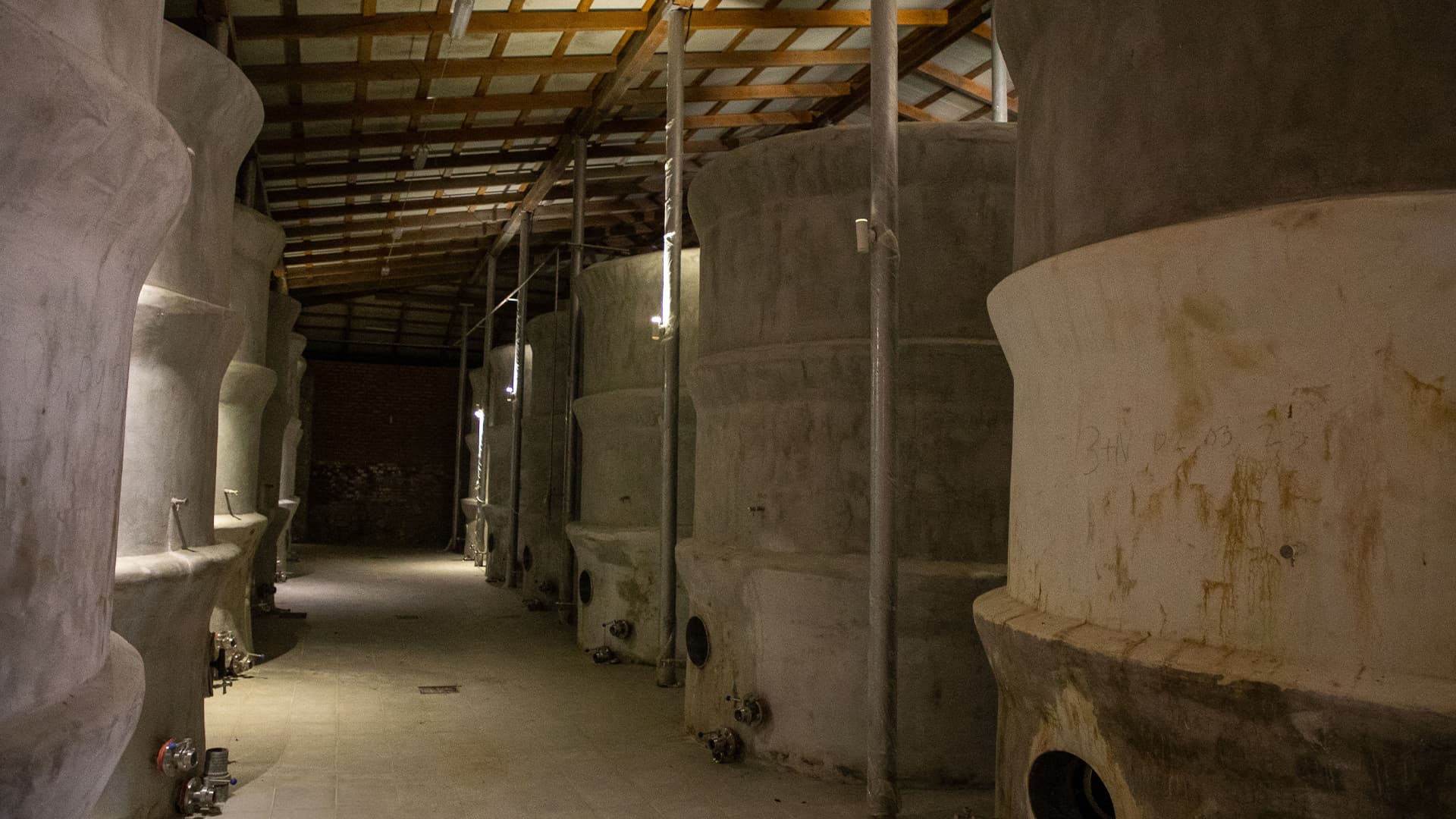
Maturation in Concrete Amphorae
Concrete amphorae provide thermal stability and gentle oxygen exchange without imparting oak-derived aromas. This method is particularly suited to Saperavi, a variety traditionally matured in clay qvevri in its native Georgia. At Gitana Winery, concrete amphorae are used to preserve the purity of the fruit while respecting the historical winemaking tradition associated with the variety.
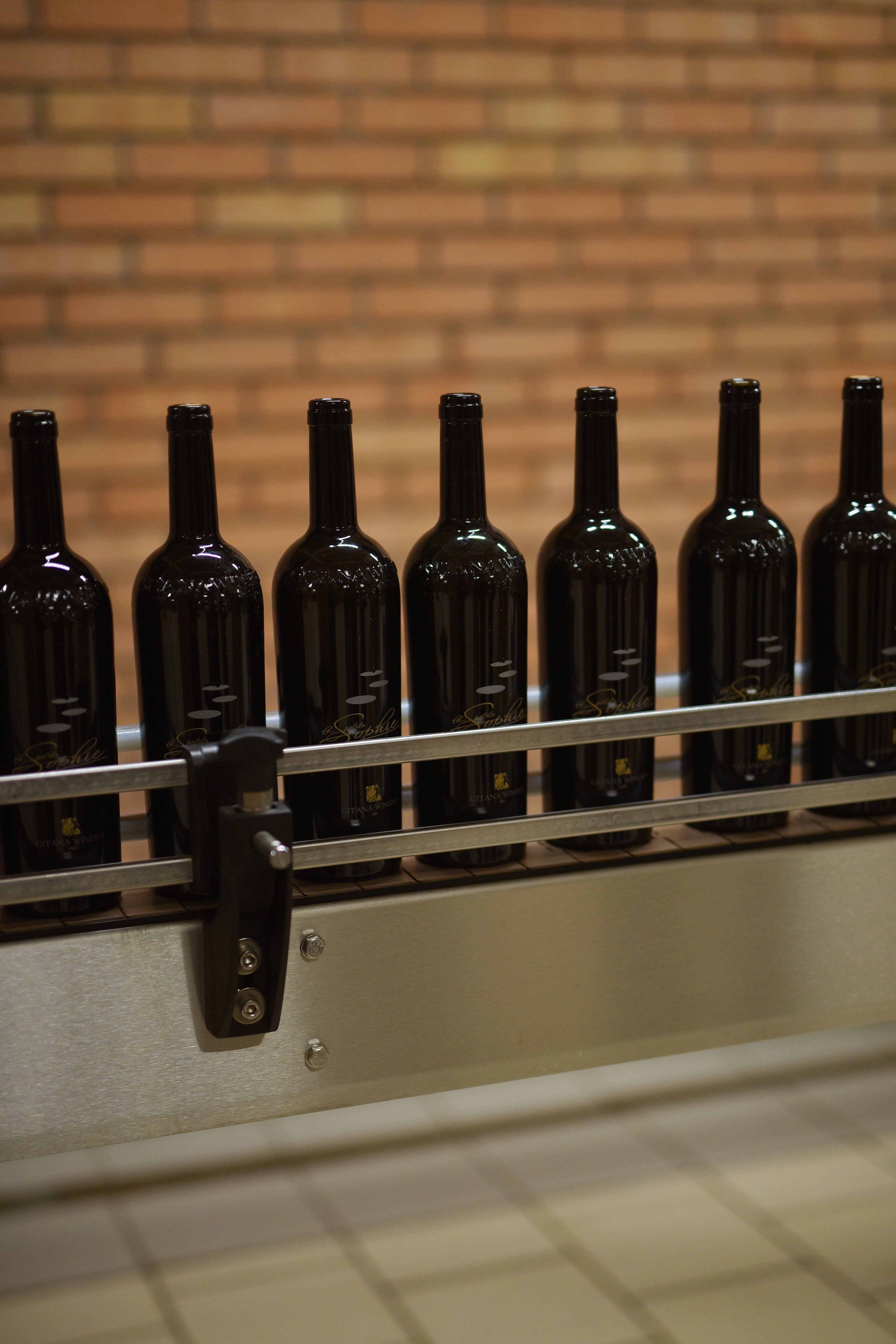
Bottling Line
The bottling line combines automated precision with strict quality control throughout filling, corking and labelling. Every stage is designed to protect the wine and ensure consistency from the cellar to the bottle.